How natural, warm, and layered lighting shapes the calm of a home.
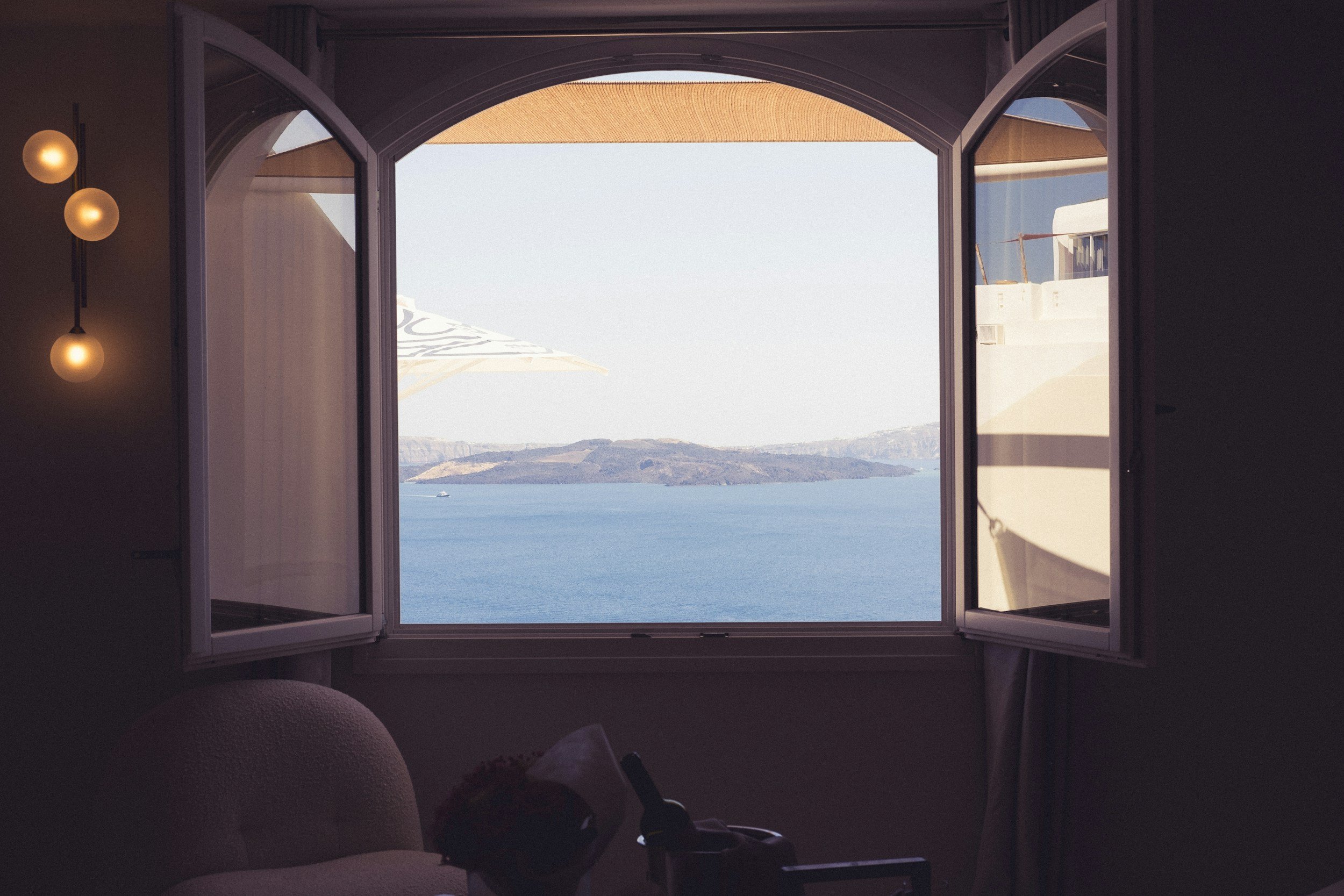
Lighting is one of the most understated elements in the home. It shapes how we move through a space, how we slow down at the end of the day, and how comfortable a home feels. The homes that feel calm, cosy and lived-in rely on using the right light, placed with intention.
When curating lighting in your home, here are three things to consider.
Natural lighting
There is no substitute for natural daylight moving through a home. Sunlight seeping through windows, lighting up living spaces in a way that artificial light never quite can. Yet, not all homes are crafted to make the most of daylight. I’ve seen rooms that are too wide with windows that are too small, leaving corners permanently in shadow.
South-facing rooms consistently receive the most light and are often best suited to living spaces. When building a home, this can be planned for. When buying or renting, it becomes something to look out for. However, when natural light is limited, furniture placement can make a difference. Positioning breakfast nooks, dining tables or desks near windows allows daily activities to benefit from both daylight and airflow.
Warm lighting
Natural and artificial lighting work best when used in harmony. Rooms filled with sunlight often need very little artificial lighting during the day, while darker areas require thoughtful layering. In the evenings, warm lighting becomes especially important, softening a space as the day comes to a close.
Warm lighting works particularly well in bedrooms and living rooms, where comfort and relaxation matter most. Cooler lighting can be effective in kitchens and bathrooms. In spaces where cooler lighting is used it is more important to bring in softer elements, such as flowers, potted plants and artwork, to avoid making spaces feel clinical. Warm lighting creates a sense of calm that supports rest and connection.
Lamps and lighting fixtures
Lamps play an important role in creating softer, more layered lighting within a home. Beyond their function, lamps act as design elements even when not in use, adding warmth and character to a space. They work particularly well in reading corners, creative studios and bedrooms, where lower levels of light encourage calm and focus.
Where lamps aren’t practical, dimmable lighting offers control over light intensity. Being able to adjust brightness allows spaces to adapt throughout the day, supporting both activity in the day and rest in the evening, without overwhelming the room.
